
Fentanyl Crisis: Rising Overdose Statistics and Trends
Fentanyl fuels rapid rise in overdoses
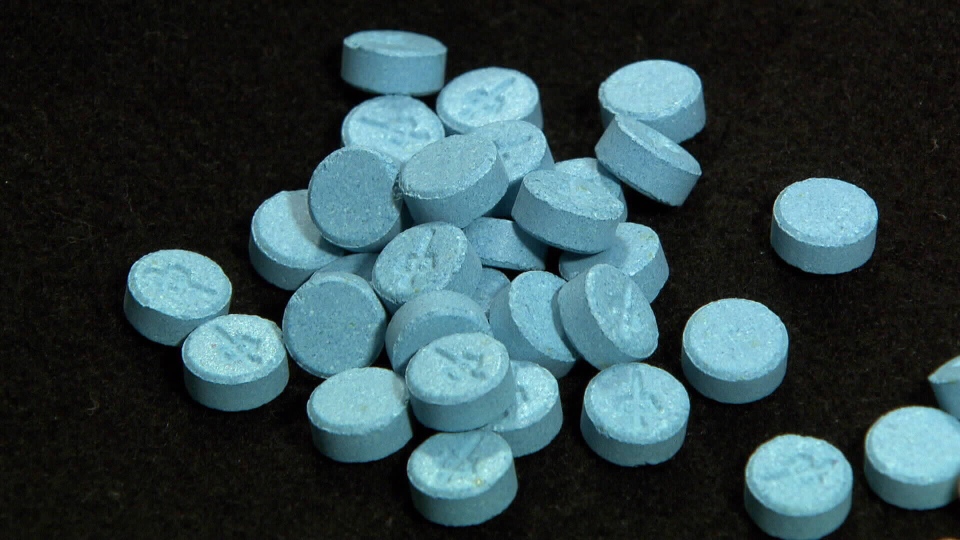
Fentanyl is a highly addictive synthetic opiate pain reliever, often prescribed for severe injury or post-surgery recovery. While it eliminates pain quickly, its extreme potency, 50x stronger than heroin and 100x stronger than morphine, contributes to the alarming Fentanyl overdose statistics seen nationwide.
Fentanyl is one of the most dangerous and widely abused drugs and is contributing to the alarming number of overdoses, and poses a risk for accidental exposures. During the past two years, fentanyl gained notoriety as the drug that killed pop icon Prince, and now shows up in cases throughout the United States. Accidental exposure to this strong substance is now a real danger for first responders, healthcare workers, crime investigators, and hazardous materials response teams, as well as the general public. Simply put, fentanyl is helping to fuel the opioid epidemic with devastating consequences and shows no signs of slowing down.
There are two forms of fentanyl:
1.
Pharmaceutical fentanyl
The most powerful opioid in medicine and a Schedule II narcotic under the
Controlled Substances Act, due to its high potential
for abuse that can result in severe psychological or physical dependence. It is
prescribed by physicians to treat severe and chronic pain and to offer
palliative, end-of-life care.
2.
Illicitly manufactured, or street fentanyl
Made in clandestine labs, the potency and chemical compositions of street
fentanyl vary to dodge detection in drug testing. The Drug Enforcement
Administration (DEA) scheduled the whole class of fentanyl-related substances as Schedule I in
February 2018 to reduce their flow into the U.S. from China and Mexico and take a
stronger stance against drug traffickers.
According to the Centers for Disease Control and Prevention, illicitly manufactured fentanyl is often mixed with cocaine, heroin, and methamphetamine without the user’s knowledge and ranks as the top substance involved in fatal overdoses. An American Medical Association research letter said that “heroin and synthetic opioids (primarily illicit fentanyl) are increasingly implicated in overdoses, and 46% of more than 42,000 overdose deaths in 2016 involved fentanyl.”
The National Forensic Laboratory Information System reported that drug seizures of fentanyl have increased by 7-fold from 2012 to 2014. Additionally, the DEA identified fentanyl as a threat to public health and safety in 2015, saying that “drug incidents and overdoses related to fentanyl are occurring at an alarming rate.” The agency warned that fentanyl is lethal in low doses and can be absorbed through the skin or unintentionally inhaled.
Improving the detection of outbreaks using information from public health departments, coroner reports, and law enforcement remains central to our country’s response to fentanyl. Expanding access to and the use of naloxone can also help reverse overdoses. In April 2016, U.S. Surgeon General Jerome M. Adams urged the public to carry the life-saving medication naloxone, especially in those places with the highest incidences of opioid use.
Many laboratories now test for fentanyl using an immunoassay method and a new reagent. American Drug Test can help with laboratory confirmation testing as well as provide reliable, rapid Fentanyl test kits that will detect Fentanyl drug use. Employers who want to maintain a safe, healthy workforce can add drug testing for opioids, such as fentanyl, as America continues to face a crisis where opioids are prevalent throughout our society.
Recent Posts
-
Buprenorphine vs Methadone: Which Treatment Is Right?
The opioid crisis continues to challenge communities across the United States. The CDC reported over …Feb 26th 2026 -
Why Adulterant Panels Matter: Enhancing Integrity in Drug Test Cups and Dip Cards
Detailed Overview of Urine Adulterants Introduction: The Importance of Adulterant Panels in Drug Tes …Jun 4th 2025 -
UScreen® Oral Plus 16 Panel Saliva Flip-Top Cube: Unmatched Coverage, Accuracy, and Ease of Use
Employers and organizations continue to shift toward oral fluid drug testing for its sp …May 28th 2025